Whittlesey
Sax Choir
A community group for sax players
A community group for sax players
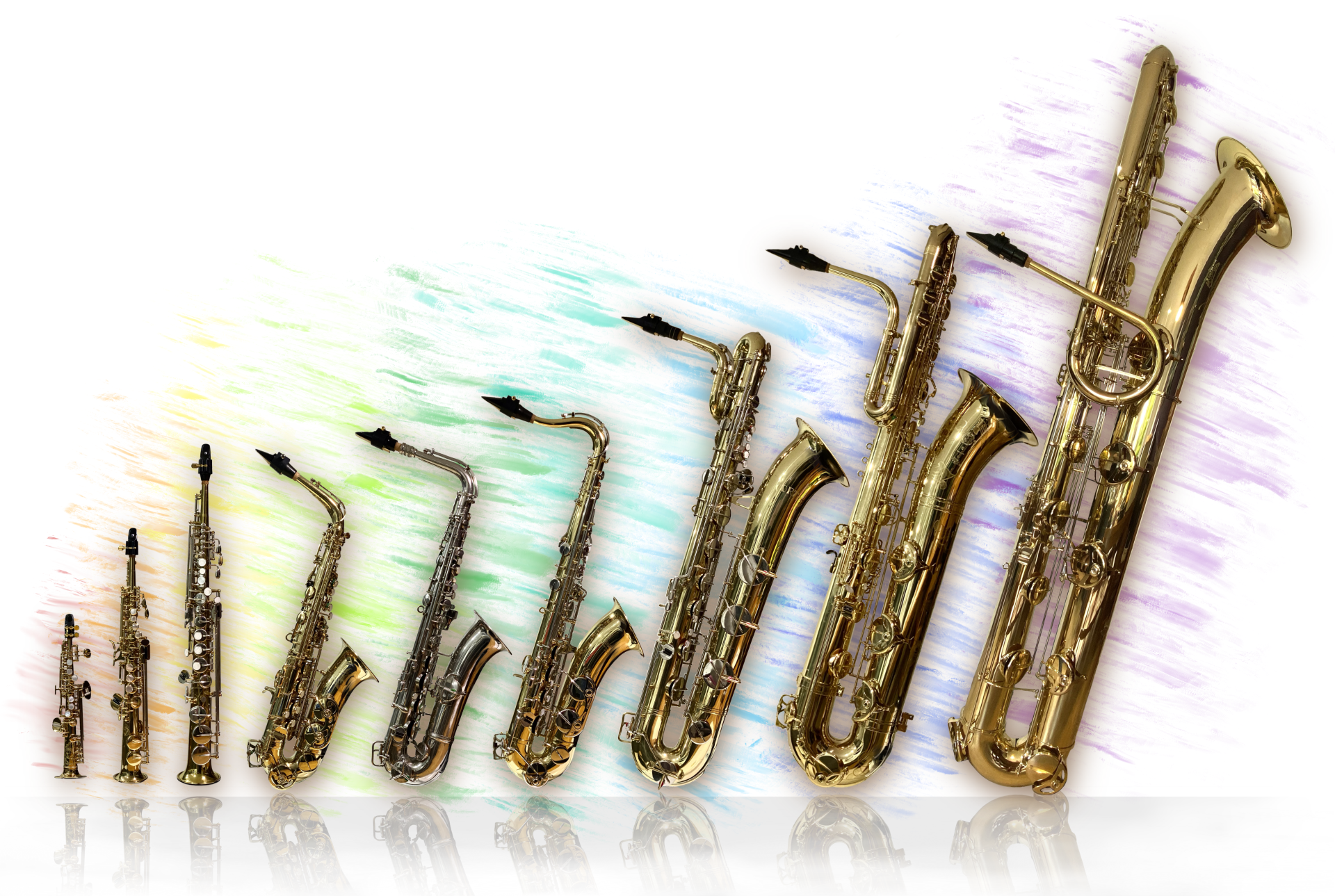
Although a relatively modern instrument, saxophones have been through some highs and lows over the years. Luckily we live in a time when interest in the full range of saxes is higher than ever and Whittlesey Sax Choir is fortunate to regularly feature everything from sopranino to bass. We sometimes manage the real extremes too: soprillo, and contrabass. Below you can see and read a bit about the various saxophones we use. You can also read about how the first saxophones were created in Saxophone: an Origin Story.
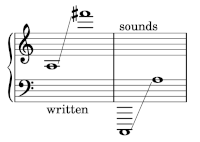
 The sopranissimo (soprillo) saxophone is the smallest saxophone that has ever been made, and is made-to-order only by Eppelsheim Blasintrumente in Munich. An octave higher than the soprano, it is both roughly the same size and roughly the same pitch as a piccolo flute, hence the name "soprillo", a contraction of saxophone and piccolo. With everything shrunk down it is an absolute devil to keep in tune and requires a really strong embouchure to control, but in the right hands can bring a brilliance to the sax choir sound.
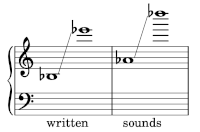
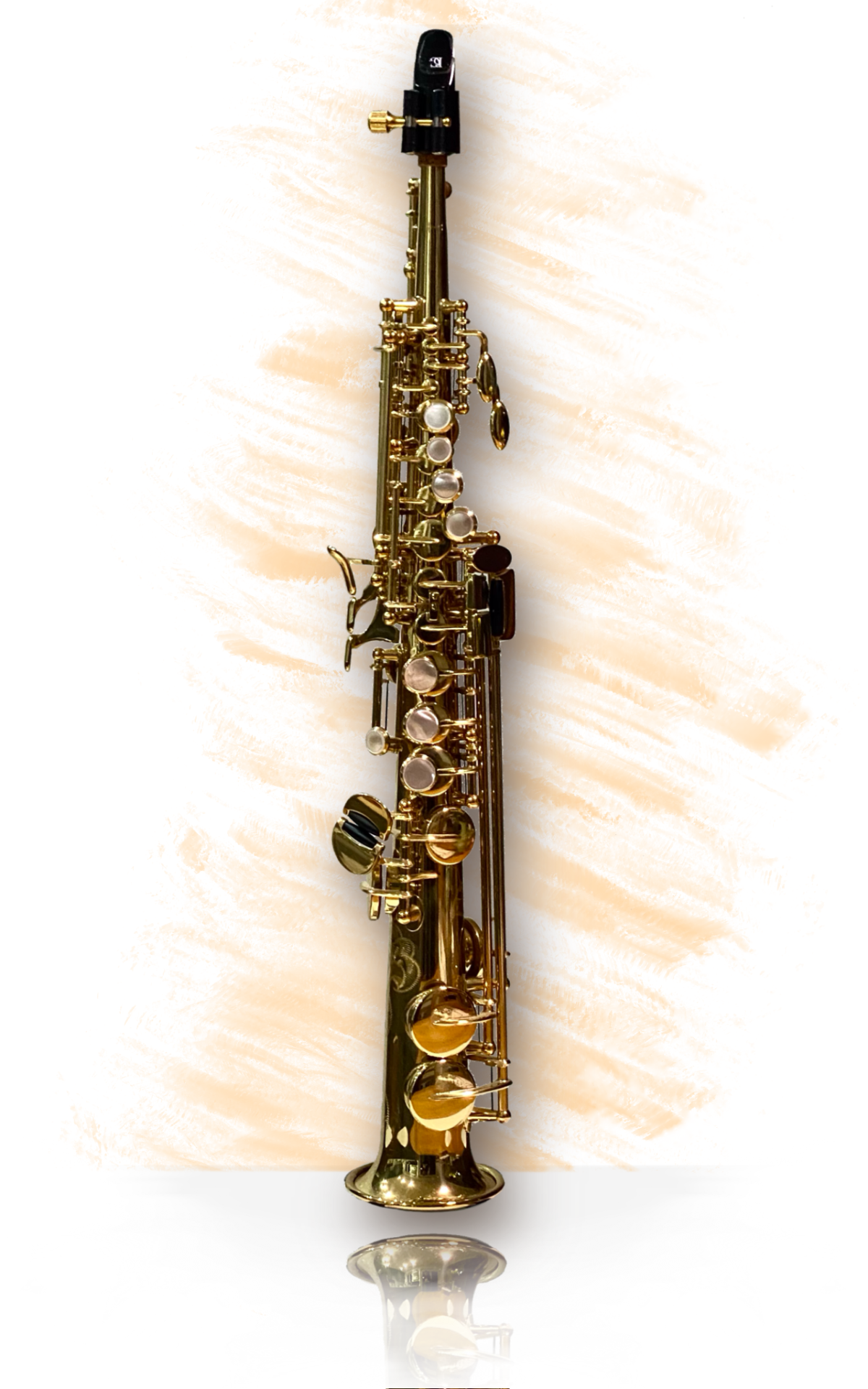 The sopranino is the smallest saxophone that is widely available (the even smaller sopranissimo, or soprillo, is made-to-order only). It can have a bright and sweet tone but is very difficult to play well, requiring a lot of control. It is rarely seen outside of saxophone ensembles, except in Ravel’s Bolero, which is a real shame. Look out for the incredibly rare curved ones!
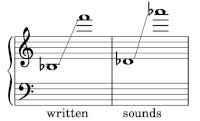
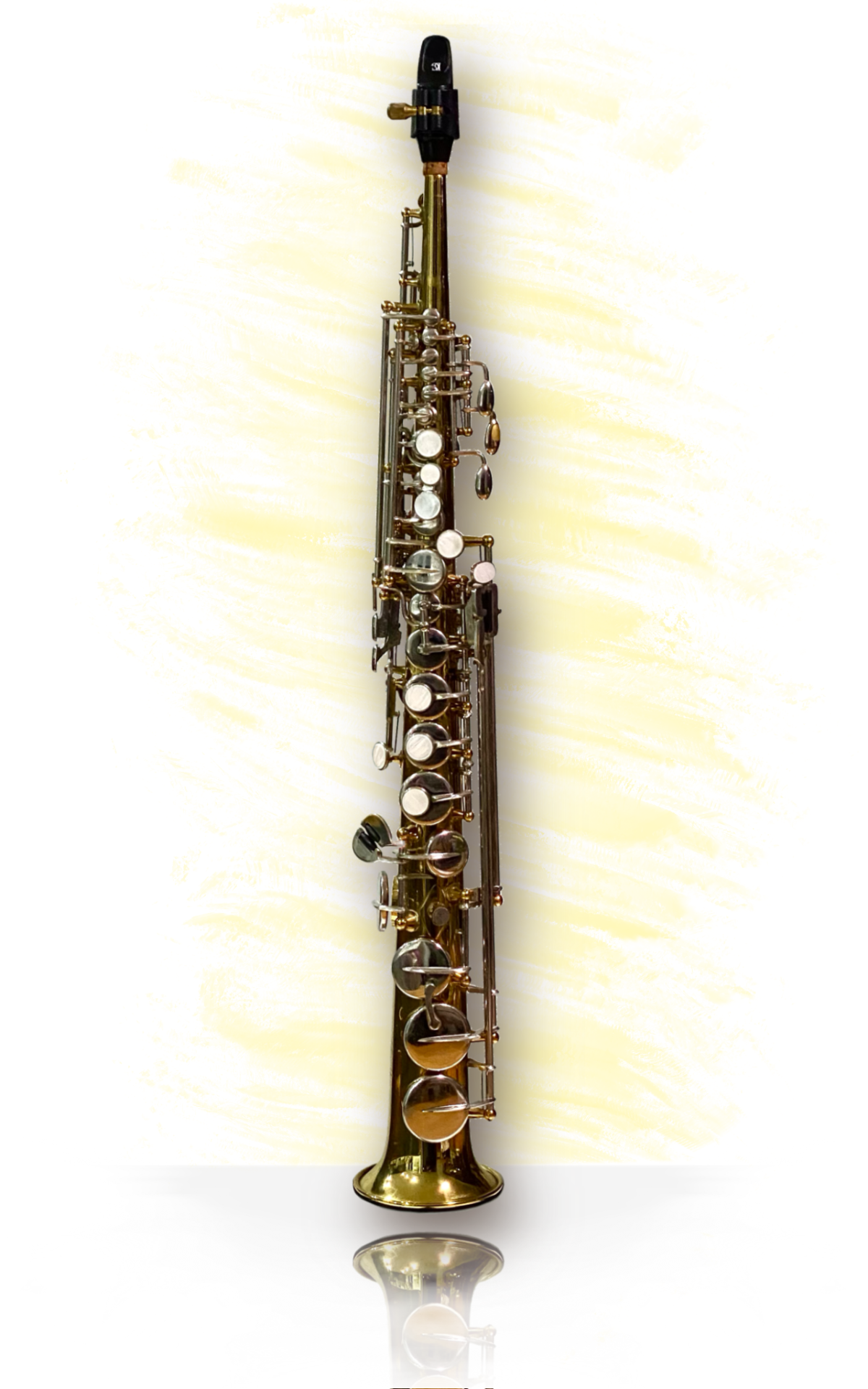 Often seen leading a sax quartet the soprano can be straight or curved, although straight is more common. The need for good intonation and a tighter embouchure make it a difficult instrument to master, but the smooth almost oboe-like tone make it worth the effort.
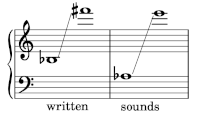
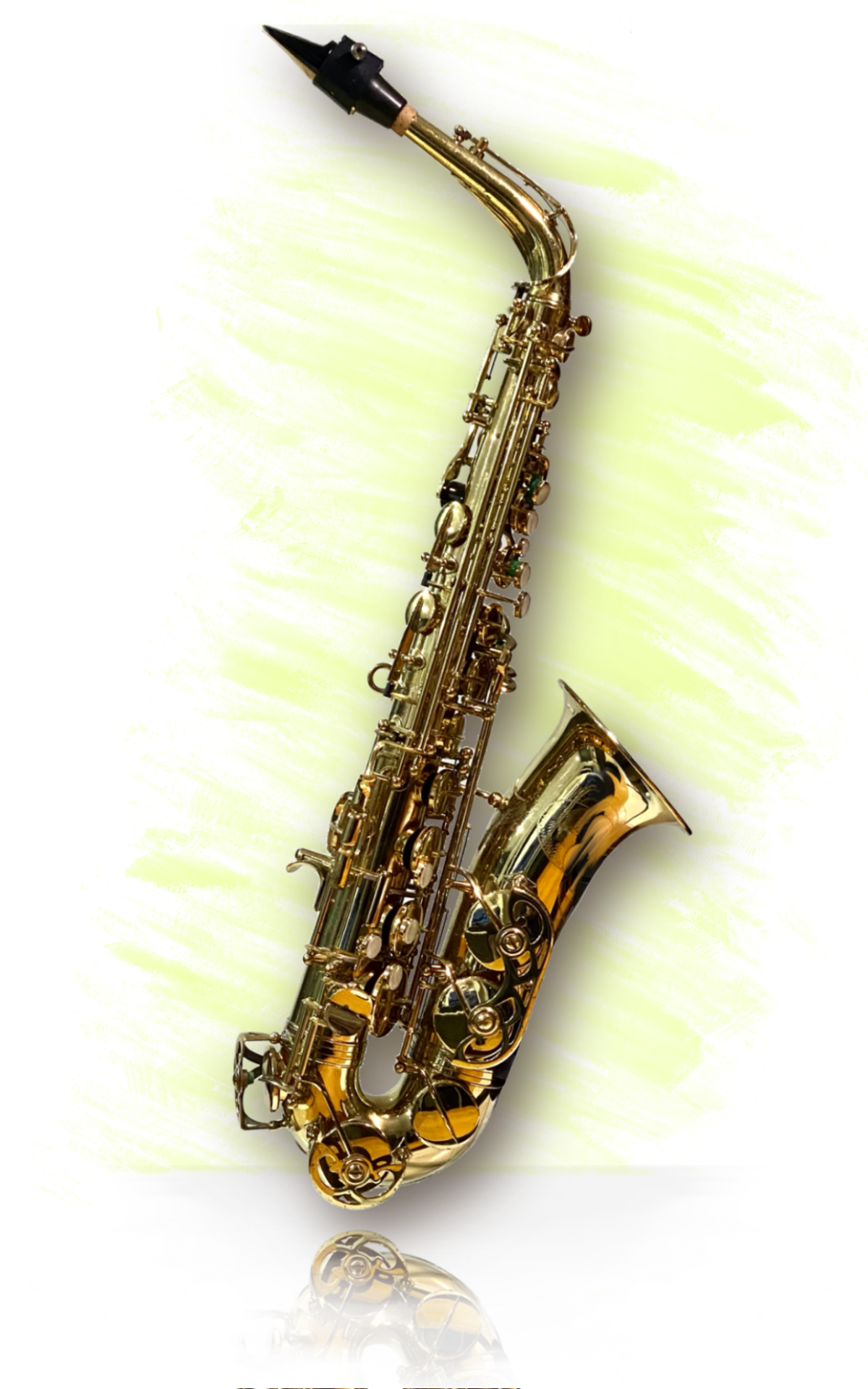 The most popular choice for new saxophone players, the alto is small enough to be approachable for the young and big enough that the embouchure is not too difficult. It has been the instrument of choice for many of the most prominent classical and jazz performers of the 20th century. It can have a purity of tone without the brightness associated with soprano and above, making it an ideal ensemble instrument. Altos typically lead the sax sections of most big bands and concert bands.
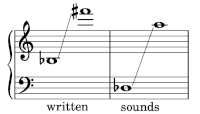
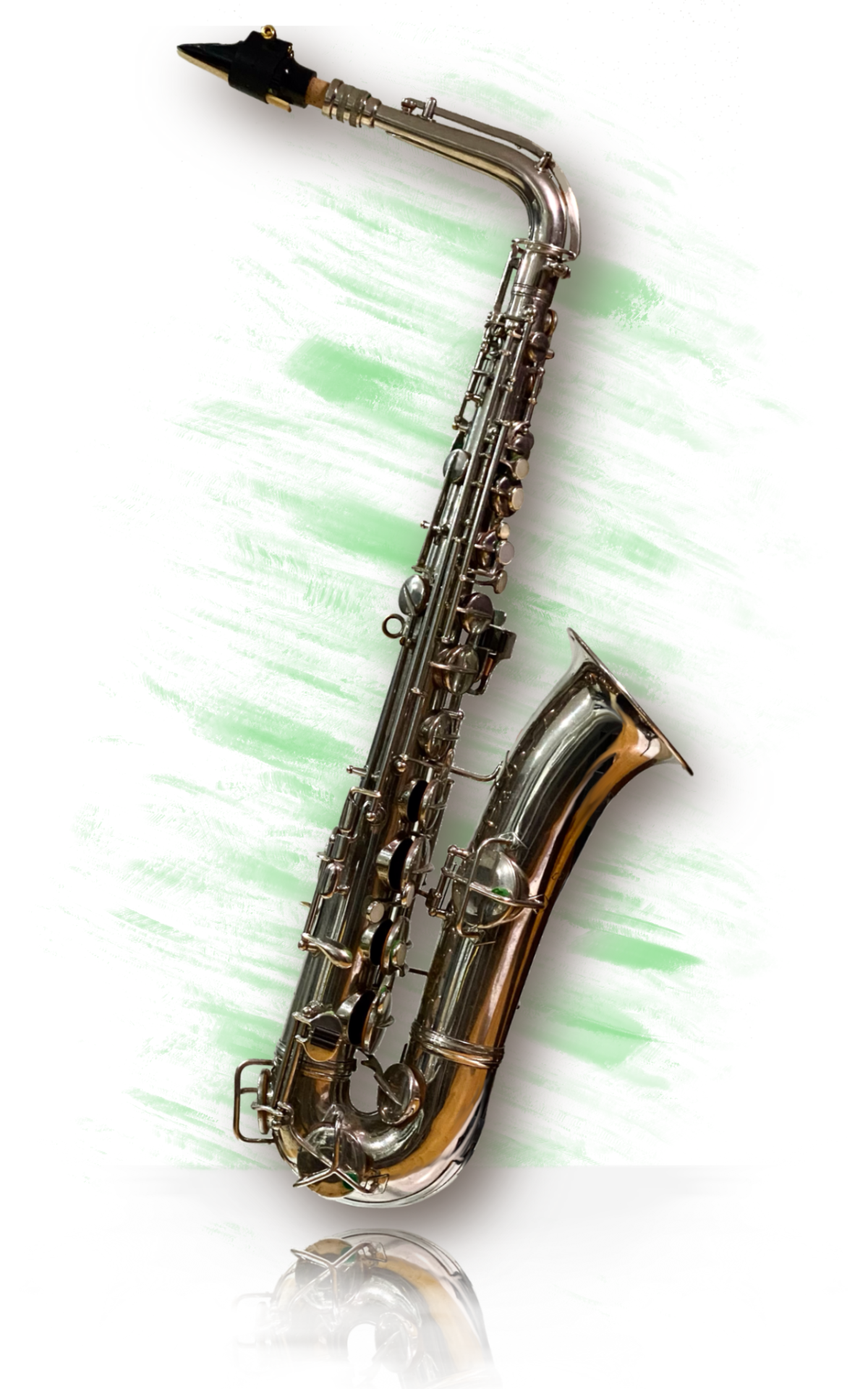 The main saxophone family alternates between Bb and Eb pitches, but Adolphe Sax always planned for there to be an alternative family pitched in C and F. These never really caught on as Bb and Eb were more useful keys for military bands. However in 1920s America there was a surge in interest in the tenor in C as an easy instrument for playing along with the piano or guitar music for the popular songs of the day (before record players were common). A huge number of these “C melody” saxophones were produced before the market collapsed in the 1930s. Recently some manufacturers have started making C Melody saxes again, but vintage 1920’s instruments are surprisingly common and, if you can find one in good condition, have a lovely sound. Much more than just a “big alto”!
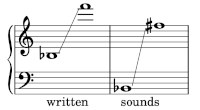
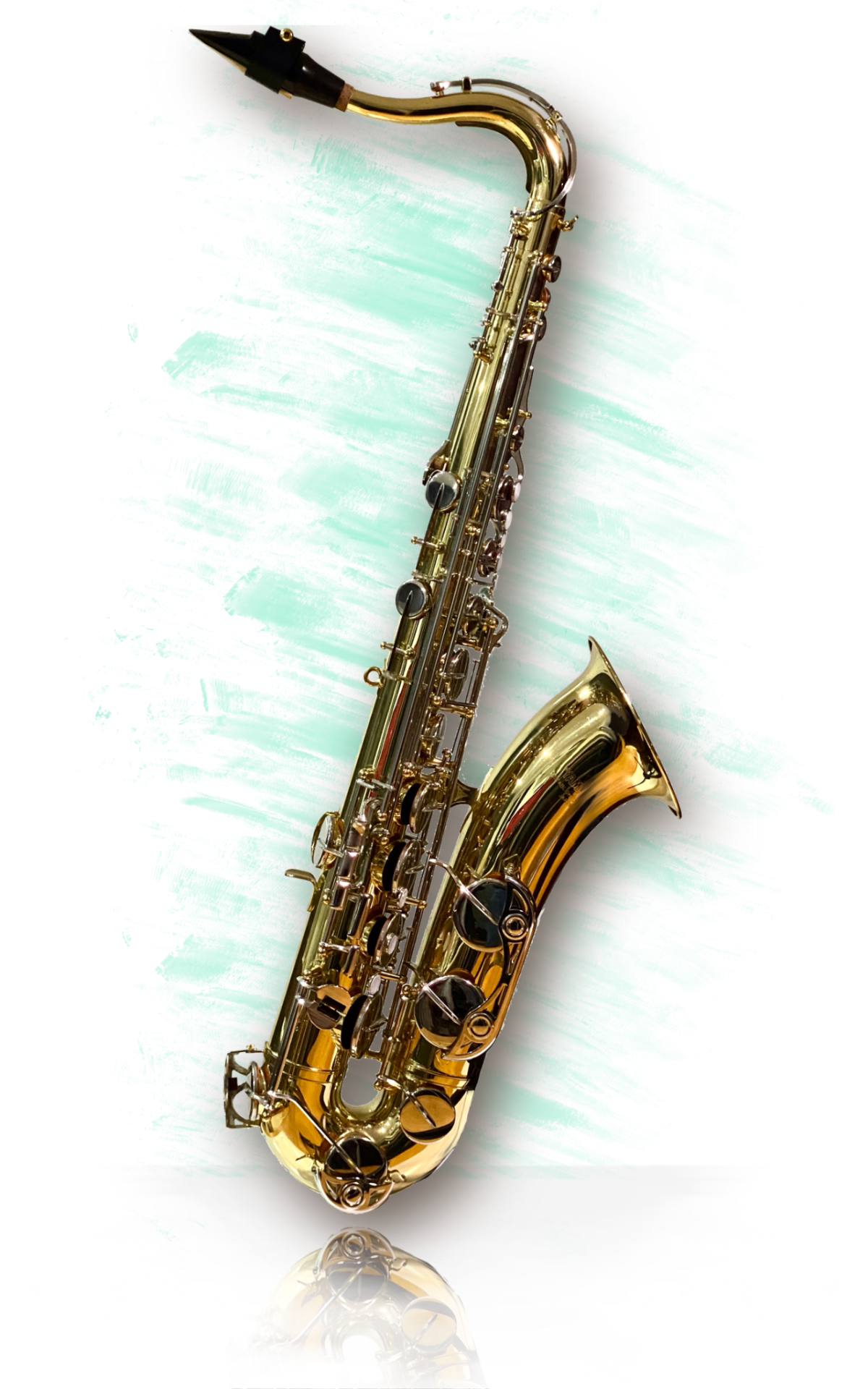 The mainstay of the jazz world, the tenor typically provides an edgier sound with more character than the higher saxes. In the right hands it can reach many of the same highs and the purity of sound of the alto. It can also produce the full deep sound of the baritone at the low end but without the weight.
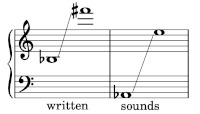
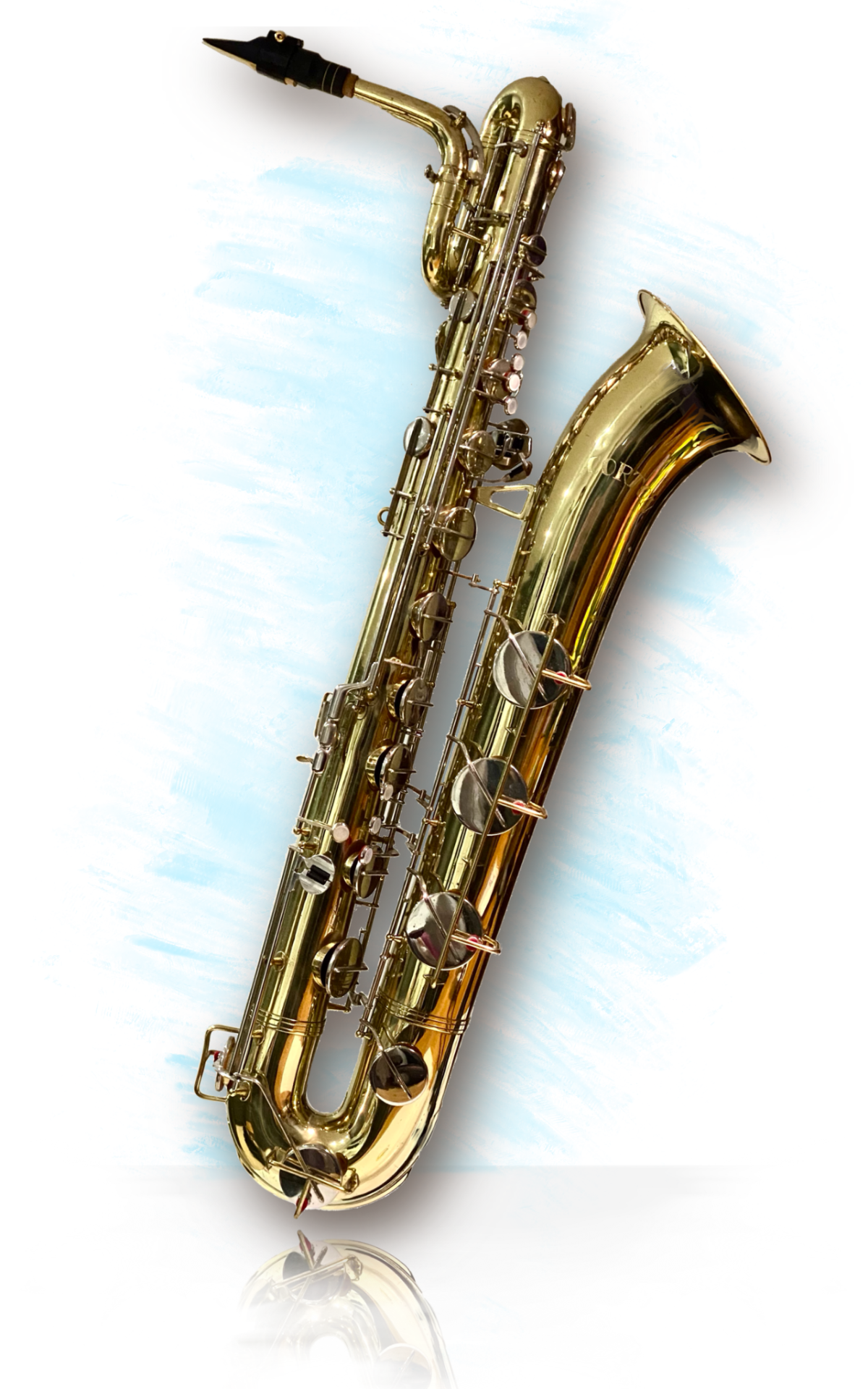 With a deeper, richer tone the baritone requires a bit more air to play and strength to hold but is capable of being both the lead and the bass-line. It is typically provides the foundations and rhythm for the sax quartet and in the right hands the bari is a force to be reckoned with.
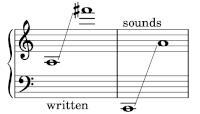
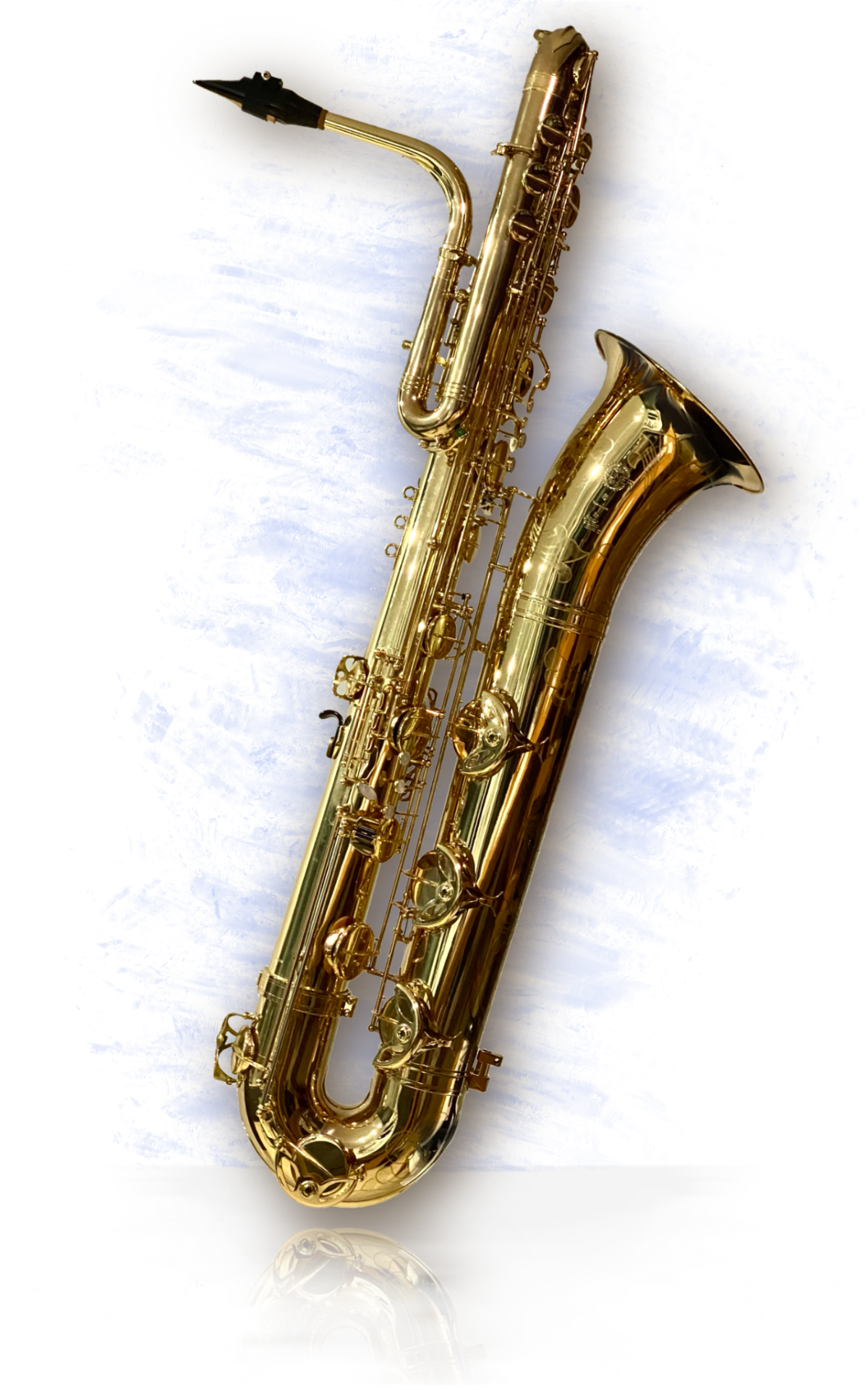 The largest of the “regular” saxes the bass was popular in the early 20th century in small jazz bands and even concert and military bands. They became increasingly rare over the course of the 20th century and it is only in recent years that a number of manufacturers have started producing them in numbers and at reasonable prices. Although only a little lower than the baritone the wider bore of the bass makes for a much bigger, warmer sound. If you can deal with the weight they are a joy to play, and when the low notes are singing out you can really feel them.
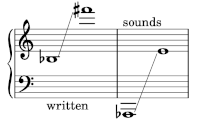
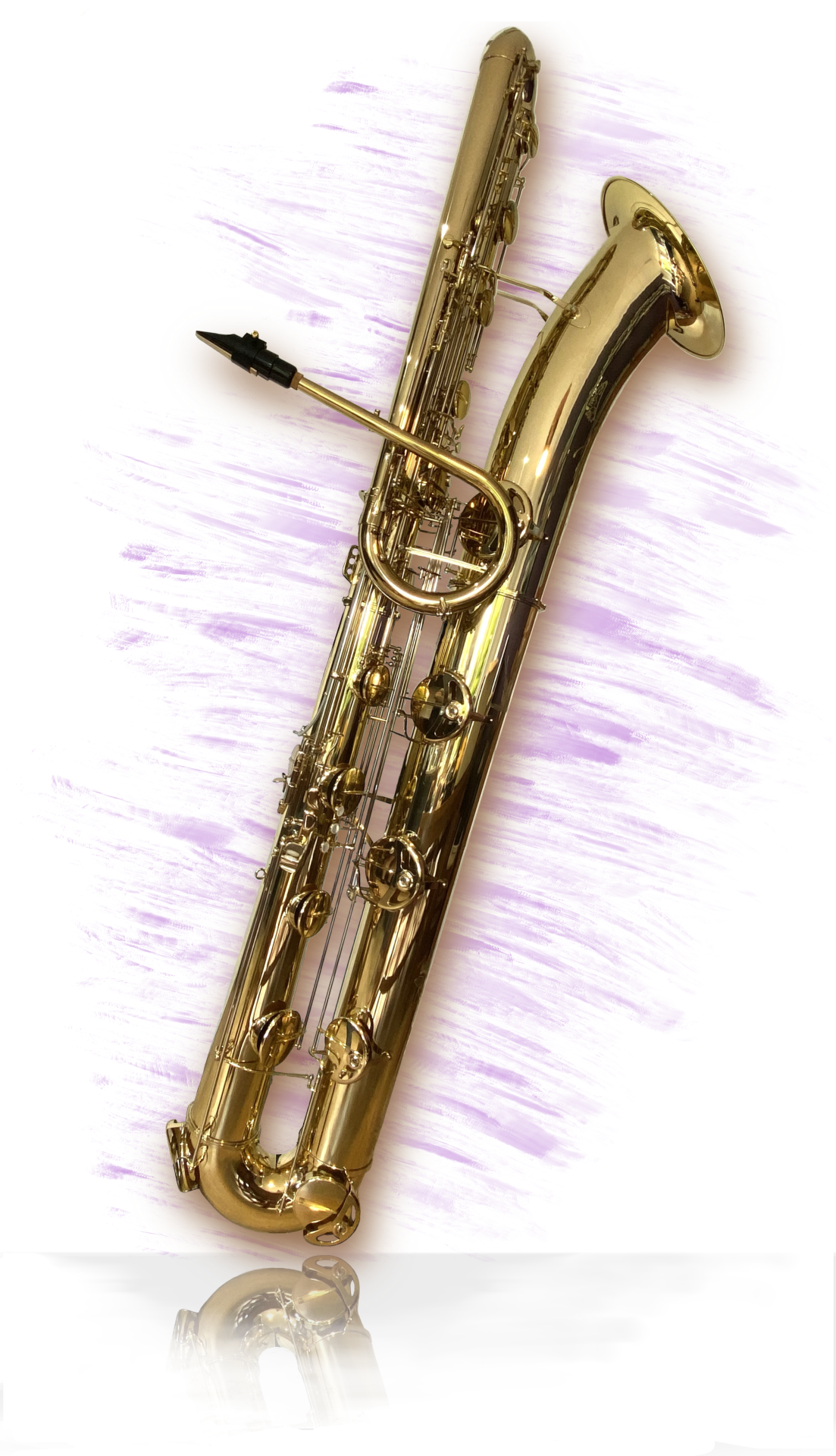 Although part of Adolphe Sax's original plan, the contrabass saxophone has always been a real rarity. Due to the wide conical bore required of a true saxophone the sheer size of the instrument becomes problematic. Whilst a few manufacturers made the odd contrabass throughout the 20th century it is only in recent years that two or three manufactures have started producing instruments on a regular basis, each with their own unique design. Pictured here is the contrabass from Eppelsheim Blasintrumente which features a low-A, making it possible to double most baritone sax parts an octave down. At just over 30Hz the low-A is towards the extremes of what the human ear can hear!
Whilst somewhat difficult to transport and awkward to play, the sound of a contrabass at full blow is a truly epic experience.